

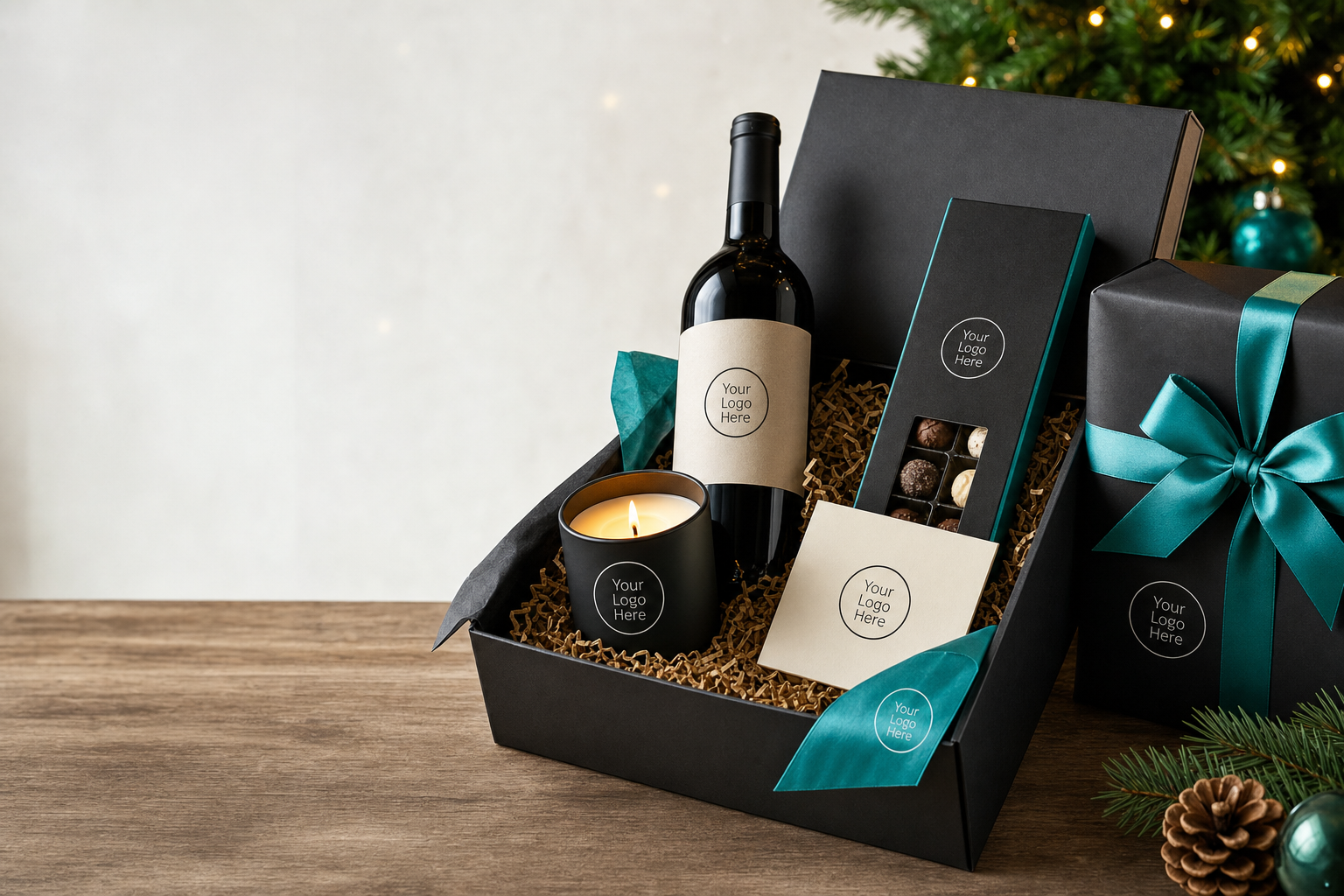
Standfirst: Make this Christmas feel considered, not generic
Orient the reader to the article’s aim: choosing seasonal promotional gifts that feel personal for staff and customers, without repeating the title.
As the festive season approaches, directors and business owners face the familiar decision: how to show appreciation in a way that reflects your brand and genuinely delights recipients. This article offers focused guidance on assembling personalised gift boxes, using advent calendars, and combining popular seasonal items such as chocolate, sweets, wine and candles.
We avoid hard recommendations on suppliers or timings — those details should be confirmed with your chosen partner — and instead concentrate on the decisions you'll need to make to create gifts that land well.
Why the choice matters: brand, relationship and experience
Explain why the selection of Christmas gifts affects brand perception, team morale and client relationships, helping readers prioritise their decisions.
Your choice of gift communicates more than thanks; it conveys how you see the recipient and how you want your brand to be remembered. A thoughtful present can strengthen client loyalty and boost staff morale, while a poorly chosen item can feel impersonal or irrelevant.
Key factors to weigh include:
- Audience – staff, long-standing clients, prospects or a mixed list will call for different approaches.
- Brand fit – luxury items, playful novelties or practical gifts should all align with your company tone.
- Experience over expense – perceived thoughtfulness often matters more than headline value.
Making these priorities explicit before you brief a supplier will save time and help you design gifts that work.
Practical inspiration: boxes, advent calendars and product pairings
Provide useful examples and combinations to inspire gift box contents and seasonal ideas without prescribing exact products or quantities.
Think in themes: curate a limited number of box types to suit different segments of your recipient list. This allows personalisation while keeping fulfilment manageable.
Popular seasonal themes and combinations include:
- Comfort and hygge – candle, premium hot chocolate or biscuits, cosy socks, and a branded mug or notebook.
- Indulgence – artisan chocolates, luxury confectionery, a wrapped bottle of wine (where appropriate) and a simple card of thanks.
- Office essentials with a festive twist – high-quality pen, notebook, branded phone charger and a pouch of sweets.
- Advent ideas – branded or bespoke advent calendars that reveal small gifts across days; useful for ongoing engagement in December.
When combining edible or alcohol items, be mindful of recipient sensitivities and company policies. Personal touches such as a handwritten note, a name label, or regional treats can make a standard box feel bespoke.
Thoughtful presentation often amplifies a modest gift more than an expensive item presented indifferently.
Always confirm allergen information, alcohol delivery restrictions and labelling requirements with your supplier when including food or drink.
Decisions to make and practical considerations
Outline the operational and compliance questions directors need to resolve: who receives what, personalisation level, packaging and vendor checks.
Before placing an order, clarify the following decisions so your internal stakeholders and suppliers are aligned:
- Recipient segmentation – who gets which tier of gift and why.
- Personalisation – whether to add names, roles or a generic message on each box.
- Packaging – presentation is part of the gift: consider recyclable or reusable options if sustainability matters to your brand.
- Regulatory and policy checks – verify suitability of alcohol and food items for your recipients and locations.
- Samples and approvals – request a prototype box or photograph so you can approve contents and branding before full production.
For each decision, note that specific constraints (e.g. shipping to certain regions, company gifting policies) should be discussed with your chosen supplier. We do not list lead times or minimums here — confirm those during procurement.
Conclusion and next steps
Summarise key takeaways and give a practical final step to help readers move from planning to action without overwhelming them.
Choose clarity before creativity: define who you are gifting to, what you want to communicate, and a manageable number of gift variants. From there, curate combinations that reflect your brand and respect recipients’ preferences.
Practical next steps:
- Draft a simple brief that states audience segments, brand tone and preferred themes.
- Ask two or three suppliers for sample boxes and confirmation of allergen, labelling and shipping details.
- Approve one prototype before committing to a full order and plan internal communication for distribution.
When you’re ready, discuss your brief with a trusted supplier who can advise on materials, packaging and finishing touches. Small, well-chosen details often make the difference between a gift that is kept and one that is forgotten.