
Buying Guide
Find an Office or Desk Promotional Gift that Talks your brand
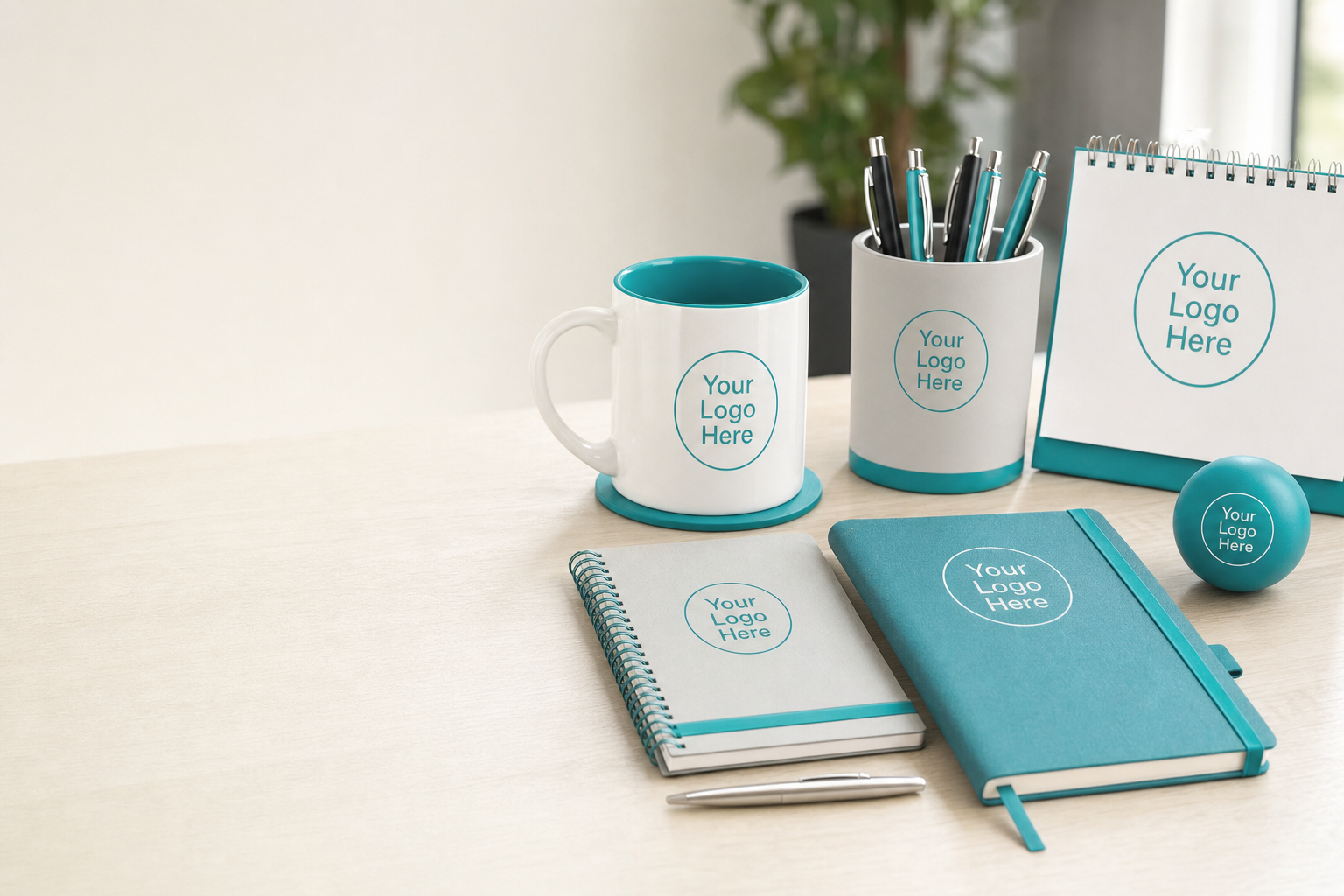
Stays in front of the customer whilst they are working, visiting customers see a cohesive brand as they walk around your business or office. Your brand is in front of you all of the time, reinforcing your own business ethos or message. High quiality image. Professional approach. Products must include items such as Mugs, desk tidy, stress toys, calendar, notepads, diary
Why desk and office gifts matter for your brand
Helps the reader understand the strategic role of desk-based promotional items and when they are the right choice.
Desk and office items sit in the user’s daily working environment, providing repeated, low-friction exposure to your brand. They are useful in client-facing areas, meeting rooms and staff workstations where a thoughtful item reinforces professionalism and brand recall.
Consider desk gifts when you want to:
- Increase everyday visibility of your logo and message.
- Support a professional, cohesive look across an office or client space.
- Give practical items that people will keep and use.
These items aren’t one-size-fits-all: the right choice depends on recipient, use case and desired impression. Confirm practical details like materials, print methods and mockups with suppliers before committing.
Common desk gift categories and practical uses
Helps the reader compare typical product options and understand where each works best.
Different products deliver visibility and perceived value in distinct ways. Below are commonly used desk items and the situations where they perform well.
- Mugs — Highly visible in everyday use, good for internal staff and client meeting rooms. Consider material (ceramic, steel) and finish options for a premium feel.
- Desk tidies and pen pots — Provide functional organisation and are ideal for reception areas, shared workspaces or executive desks.
- Notepads and diaries — Useful for meetings and planning; offer large, repeat impressions when placed on desks or given at events.
- Calendars (desktop) — Visible all year; strong for seasonal campaigns or ongoing brand reinforcement.
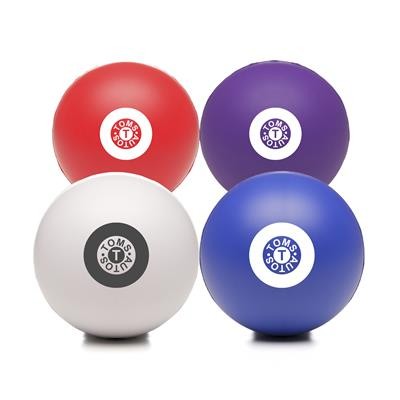
- Stress toys and small desk accessories — Lower-cost items that increase engagement and are suited to events, onboarding packs or giveaways.
When shortlisting, think about the recipient’s day: what will they reach for, keep on their desk, or show visiting clients? Ask suppliers for sample images or physical samples where possible to judge look and feel.
Selection criteria: how to choose the right item
Explains the decision factors to weigh when selecting products so the reader can prioritise effectively.
Use a short checklist to evaluate options against your objectives. Prioritise a few core criteria rather than trying to satisfy every ideal simultaneously.
- Visibility and placement — Will the item be on a desk in plain sight, in a kitchen area, or tucked away? Opt for larger, higher-contrast branding for visible desk items.
- Perceived quality — Higher-quality materials and finishes communicate professionalism; choose items that match the brand’s market position.
- Functionality — Practical, frequently used items (mugs, notepads) deliver more impressions than novelty items.
- Sustainability and materials — If sustainability is important to your brand, request details on recycled content, recyclability and available certifications from suppliers.
- Design flexibility — Check print/embroidery areas, colour matching options and the impact of brand elements at small scale.
Balance these factors against budget constraints and the campaign’s intended lifespan. Always confirm material samples, imprint proofs and exact product specifications with your supplier before approving a large order.
Design and branding: placement, colour and messaging
Guides the reader on visual and messaging choices that keep the brand cohesive without overwhelming the product.
Design choices determine how your brand comes across on small items. The goal is legible, attractive branding that enhances the product rather than dominating it.
- Logo placement — Choose areas that are seen in normal use (front face of a mug, top corner of a notepad). Avoid squeezing complex elements into tiny imprint zones.
- Colour and contrast — Ensure good contrast between brand colours and the item background so details remain legible at a distance.
- Typography and messaging — Keep type minimal and readable; use short taglines if space allows but prioritise clarity over cleverness.
- Photographic and lifestyle imagery — For product pages or mockups, use high-quality images that show the item in context, emphasising scale and usage.
Ask your supplier for dielines, print area templates and digital mockups. Request a physical sample when colour fidelity and texture are important to your decision.
Procurement practicalities and a clear next step
Addresses the typical procurement questions and provides a concise next step to move the project forward confidently.
Before purchase, clarify logistical and contractual details with suppliers. This reduces surprises and ensures the final deliverable meets expectations.
- Request detailed product specifications, imprint methods and colour-matching options.
- Ask for physical or photographic samples to inspect quality and scale.
- Confirm ordering terms directly with the supplier: minimums, lead times, returns policy and any available proofing stages.
- Check sustainability information and any certifications if they matter to your stakeholders.
Practical next step: shortlist two to three product types that match your objectives, request mockups and samples from suppliers, then compare how each option performs against your visibility, quality and sustainability checklists. Share the shortlisted mockups with internal stakeholders for a quick sign-off before placing your main order.
Where would you like to go next?
Take your time. You can explore suitable products, keep learning, or ask our team for a second opinion.
A small selection to help turn “Find an Office or Desk Promotional Gift that Talks your brand” into practical choices.