

Blog
Sustainability & Promotional Merchandise
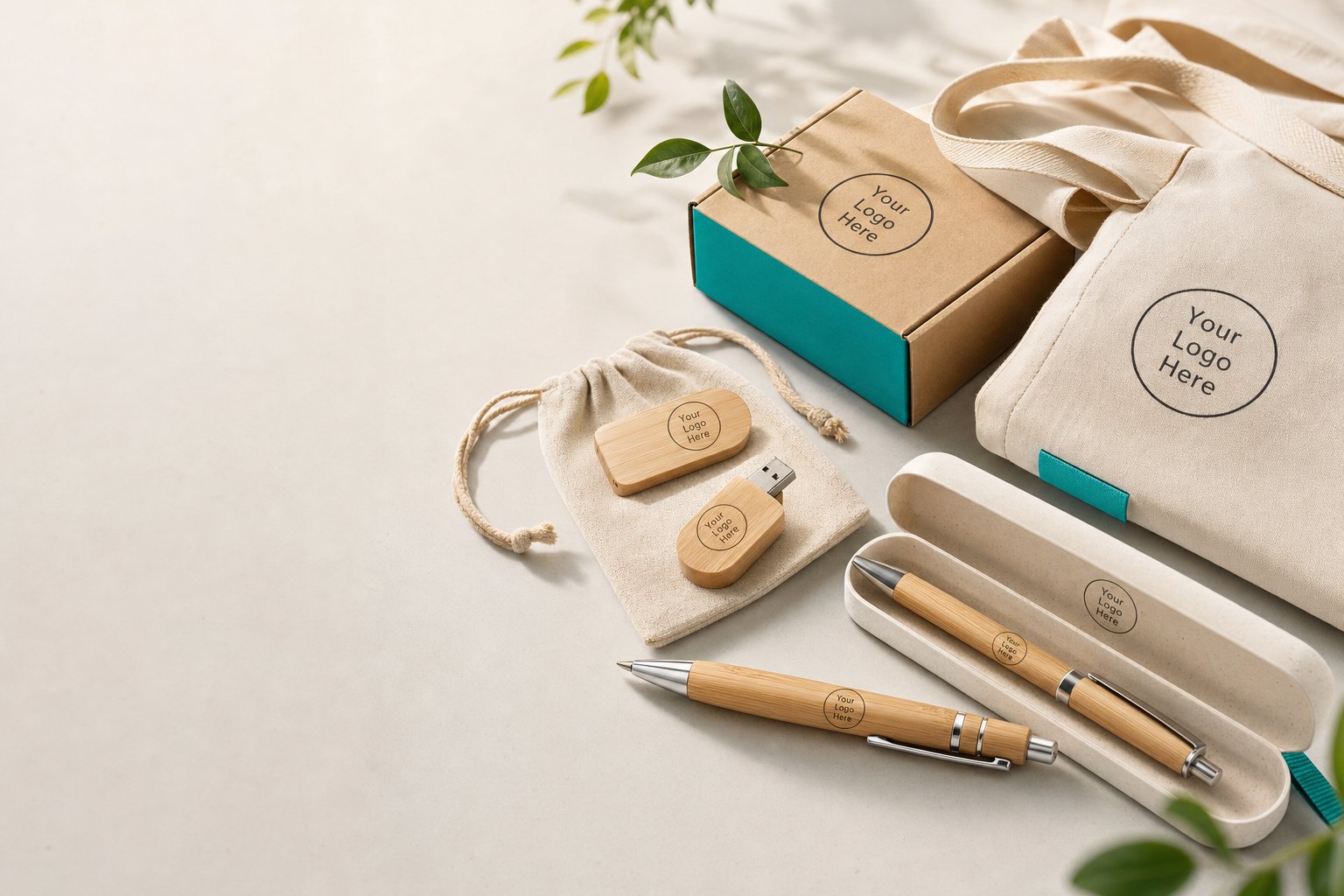
Eco friendly promotional merchandise that has a long shelf life and is made from sustainable materials such as wood, bamboo, recycled plasitics and recycled inovative materials.
Standfirst: practical priorities for greener branded items
Orient the reader to the decision they face: balancing brand impact, product longevity and genuine environmental benefit when choosing sustainable promotional merchandise.
Marketing and brand managers increasingly need promotional merchandise that aligns with corporate sustainability goals without compromising usefulness or on-brand appeal. The question isn't only "what looks eco-friendly?" but "what will be used, kept and responsibly disposed of?"
This article helps you think through material choices, design for longevity, and the practical questions to ask suppliers so your promotional items deliver real value for recipients and your brand.
Why sustainability in promo merchandise matters now
Explain why material choices and product lifecycle should influence procurement decisions and how that affects the brand and environmental outcomes.
Buying sustainably for promotional campaigns matters at several levels: it supports corporate commitments, reduces waste, and influences how recipients perceive your brand. A thoughtful choice can raise brand equity; a careless one can create reputational risk and unnecessary waste.
Key considerations for decision-makers include:
- Longevity — items that are useful and durable are less likely to be discarded quickly.
- Material origin — using reclaimed, recycled or rapidly renewable materials can reduce environmental impact compared with virgin resources.
- End-of-life — how an item can be reused, recycled or composted when it’s no longer needed.
These factors should feed into procurement criteria alongside design, brand alignment and cost. Confirming details with suppliers is essential—don’t assume materials or processes based on appearance alone.
Materials and smart examples: what to consider
Help the reader weigh different sustainable materials and identify product types that tend to have longer use and clearer end-of-life options.
There’s no single "best" material for every brand or campaign. Instead, match material traits to the use-case and audience. Common sustainable options include wood and bamboo for tactile items, recycled plastics for items needing durability, and recycled or low-impact textiles for bags and apparel.
Materials at a glance
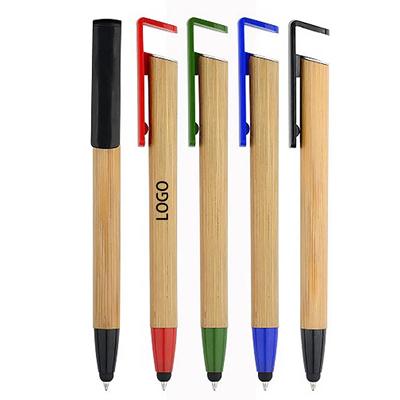
- Bamboo and wood: visually warm and tactile; suitable for pens, desk accessories and packaging accents.
- Recycled plastics: useful where robustness is required — check the quality and recycling stream for end-of-life.
- Recycled textiles: recycled polyester and cotton blends for bags and apparel; consider fibre-to-fibre recycling claims carefully.
- Innovative recycled materials: items made from industrial offcuts, recycled ocean plastics or composite upcycles can be good options—confirm their provenance.
Product ideas that often perform well
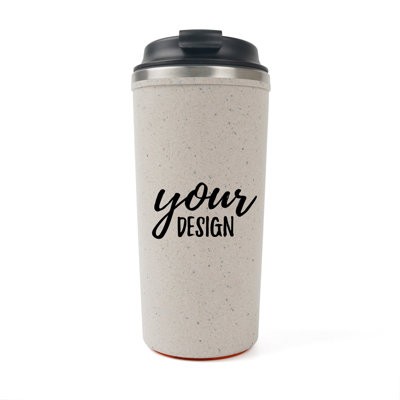
- Reusable bags and drinkware that become everyday items.
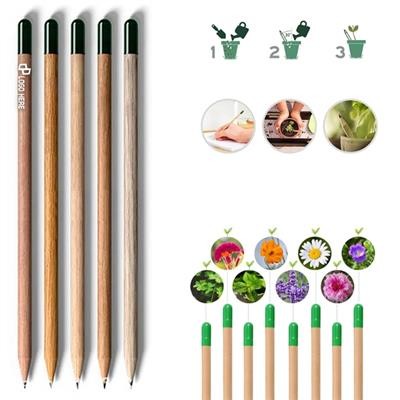
- Desk accessories such as wooden phone stands or bamboo pencils — items kept within sight increase brand visibility.
- Durable tech accessories made from recycled materials — useful but verify material and repairability.
Choose usefulness first; sustainability follows from items being kept and used, not discarded.
Practical buying checklist and supplier questions
Provide a concise, actionable checklist and suggested questions the reader can use when evaluating suppliers and products.
When assessing options, use a short checklist to keep decisions practical and comparable. Focus on durability, material transparency and end-of-life options.
Quick procurement checklist
- Can the item be expected to survive regular use for a meaningful period?
- Is the material origin documented and can the supplier provide evidence?
- What happens to the item at end-of-life (recyclable, compostable, repairable)?
- Is packaging minimal, reusable or recyclable?
- Does the item meet your brand and tone expectations (appearance, texture, finish)?
Practical questions to ask suppliers
- Can you provide information on material sources and any third-party verification or testing that has been done?
- How do you manage production waste and packaging choices?
- What are the recommended care instructions to maximise product life?
- Do you offer examples or samples so the product can be assessed by the team before bulk ordering?
- How do you handle returns, end-of-life take-back or circular options (if available)?
These questions will help you compare suppliers on more than price alone and reduce the risk of greenwashing. Always request evidence and, where necessary, an independent audit or sample testing before committing to a large order.
Conclusion: what to do next
Give the reader clear next steps to translate the article’s insight into action for an upcoming campaign or procurement process.
Balancing brand impact with genuine environmental benefit requires a pragmatic approach: choose useful items, verify material claims and plan for end-of-life. Good decisions start with clear brief criteria and a short supplier assessment process.
- Define the primary purpose for the item (utility, awareness, event giveaway) and the expected lifespan.
- Request samples and evidence from shortlisted suppliers and test for durability and finish.
- Include simple end-of-life guidance with the product or on your campaign page to help recipients make the right choice.
Next step: prepare a brief for your procurement or agency partner that lists the key material priorities and the three supplier questions above. Confirm detailed claims with suppliers before finalising any order.
Where would you like to go next?
Take your time. You can explore suitable products, keep learning, or ask our team for a second opinion.
A small selection to help turn “Sustainability & Promotional Merchandise” into practical choices.