
Campaign
Summer Promotions to keep the rays on your brand
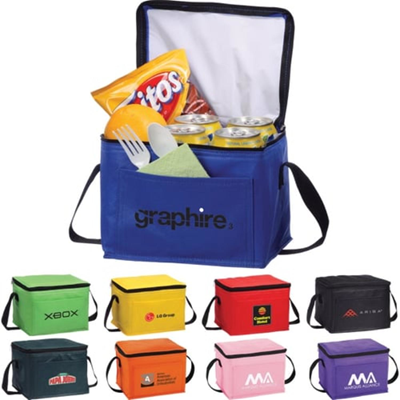
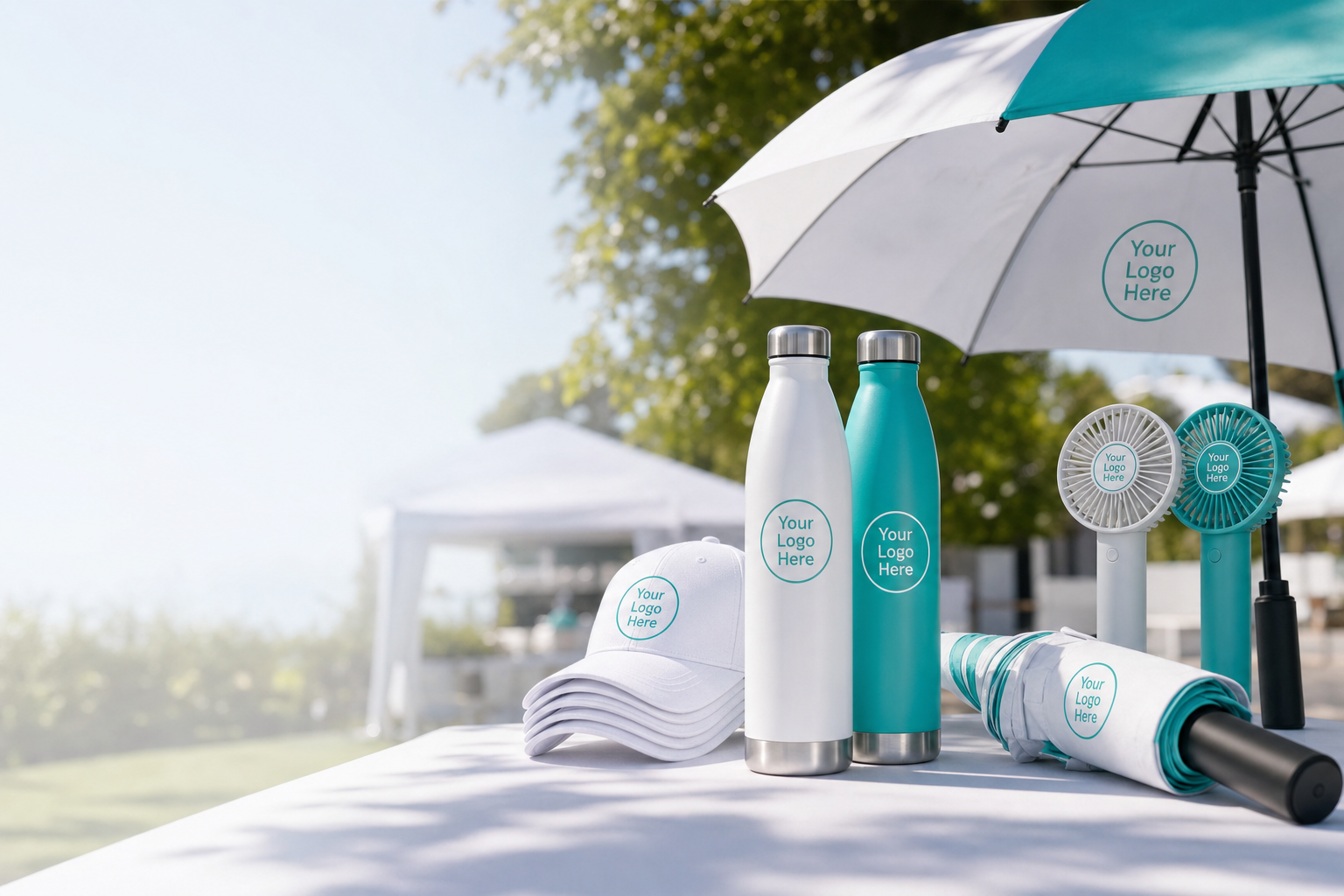
Summer promotions are are great time to think about being outside, cool and full of life. Bring the branding outside and your promotions will get maximum exposure. From sports charity events to outside promotional events, you can spread the love this summer with heat quenching drinks or bottles, sun shading umbrellas and hats or breezy fans, all with your brand or message within view of your customes.
The proposition: take your brand where people are
Explain the central campaign decision: why summer is an opportunity for outdoor, useful branded items and what outcome to aim for.
Summer gives you a simple strategic advantage: people spend more time outdoors, at events, and socialising. Useful, visible items that solve a seasonal need—cooling, sun protection or hydration—create repeated brand exposure in public places.
Use this campaign to convert passive visibility into tangible value for your brand and your audience: memorable moments, practical utility and social sharing, rather than single-use awareness.
- Primary aim: increase everyday visibility in outdoor contexts where your audience congregate.
- Secondary aims: generate goodwill, encourage social sharing and create opportunities for direct engagement (events, staff, partners).
- Keep the creative simple and purposeful: if an item solves a summer problem, people will keep and use it.
Audience and timing: who to target and when to focus effort
Help decide which groups to target and how to align campaign activity with seasonal opportunities.
Start by selecting the groups most likely to interact with your brand outdoors: event attendees, customers at weekend markets, field staff and partners, or local communities around your offices or retail locations. Each group has different distribution channels and touchpoints.
Think about timing relative to your audience’s calendar rather than a fixed date. Plan to have items available ahead of key outdoor moments: festivals, charity runs, customer events, staff away-days or peak local footfall periods.
- Audience segments: current customers, prospects at events, staff and partners, community giveaways.
- Distribution channels: events, direct mail, in-store handouts, sales visits and staff packs.
- Coordination note: align procurement and artwork approvals with event schedules and internal sign-off processes.
Why it matters: business outcomes to expect and measure
Clarify the practical business value and suggest sensible, trackable outcomes for the campaign.
Summer merchandise works because it pairs brand visibility with utility. Useful items are kept, used repeatedly and seen by others, which supports brand recall and organic reach. The commercial value depends on how the items are used and distributed.
Focus on outcomes you can reasonably track and influence with a promo campaign.
- Visibility: impressions at events and in public spaces, often amplified through social sharing.
- Engagement: event sign-ups, booth interactions, QR-code scans, coupon redemptions tied to the giveaway.
- Perception: feedback from recipients and staff, and whether items align with brand values (e.g. sustainable options).
Decide which metrics matter to you before you brief suppliers so the campaign can be designed to support them (for example, including a trackable code or encouraging social posts with a hashtag).
Practical creative and product directions
Recommend product categories and creative approaches that suit summer use without prescribing specific suppliers or specifications.
Choose items that meet a summer need and suit the behaviour of your audience. Think about usability, brand placement and the likelihood an item will be retained and re-used.
- Hydration: reusable bottles and insulated tumblers. Suggest prominent logo placement and consider neutral colours that show branding well.
- Sun protection: caps, visors and compact umbrellas. These are highly visible and useful in a range of outdoor settings.
- Cooling aids: handheld fans, cooling towels or portable misting devices where appropriate—good for events and active audiences.
- Comfort & leisure: picnic blankets, foldable chairs or beach towels for longer outdoor stays and family-focused events.
- Lightweight apparel: breathable t-shirts or polos for staff and giveaways—keep branding tasteful and wearability high.
- Eco-conscious options: recycled materials, refillable solutions and minimal packaging if sustainability is a priority for your brand.
Creative approaches: single-colour logos for broad appeal, limited-edition prints for special events, or co-branded items for charity partnerships. Confirm print methods, material choices and colour matching with suppliers to ensure the finished item reflects your brand accurately.
Planning guidance: a concise campaign checklist
Provide a practical checklist of decisions and stakeholders to involve so the campaign runs smoothly from brief to distribution.
Use this checklist to structure the project. Avoid assuming any single supplier covers every need—confirm samples, artwork proofs and compliance early.
- Define objectives: clarify the primary metric (visibility, leads, staff morale) and acceptable measures of success.
- Identify audience and distribution method: events, direct send, retail, staff packs or partner fulfilment.
- Choose products and finishes that reflect your brand values; request samples or mock-ups where possible.
- Prepare artwork: supply brand guidelines, vector logos and colour references. Agree print areas and file formats with the supplier.
- Involve stakeholders: marketing, procurement, legal/compliance, events and sustainability teams as needed.
- Logistics: plan storage, kit assembly and distribution channels; decide who handles fulfilment on the day of the event.
- Measurement: set up any tracking (QR codes, unique promo codes, social hashtags) before distribution.
- Quality assurance: check final proofs and, if possible, pre-production samples before approving a full run.
Note: confirm lead times, minimum order quantities and any safety or labelling requirements directly with suppliers—these vary by product and manufacturer.
Next step: prepare a short brief and start a conversation
Give a clear, actionable step the reader can take to move the campaign from planning to delivery.
Begin with a short, focused brief that makes it straightforward for a supplier to propose options and samples. That conversation will help you refine product choices, print methods and distribution options without committing to anything up front.
- Include in your brief: campaign objective, target audience, estimated quantities, preferred product categories, brand guidelines and any event dates or distribution deadlines you can confirm.
- Ask suppliers for sample images or mock-ups, production proofing options and details on sustainability or compliance where relevant.
- If you’d like support, we can review your brief and suggest product directions and distribution approaches tailored to your audience.
Ready to start? Prepare a one-page brief and contact a specialist to review options and request samples—this is the quickest way to move from idea to a confident, deliverable plan.
Where would you like to go next?
Take your time. You can explore suitable products, keep learning, or ask our team for a second opinion.
A small selection to help turn “Summer Promotions to keep the rays on your brand” into practical choices.
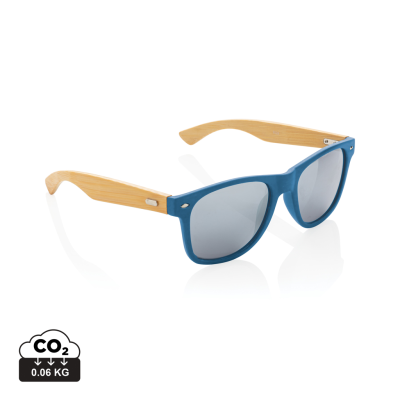
BAMBOO AND RCS RECYCLED PLASTIC SUNGLASSES in Blue
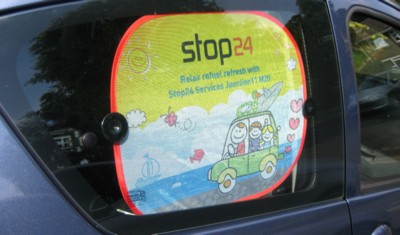
CAR WINDSCREEN SUN SHADE
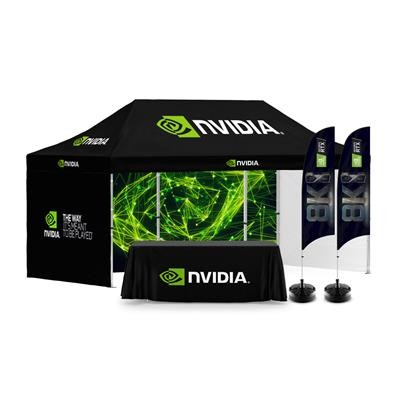
THE ULTIMATE- 3M X 6M GAZEBO KIT
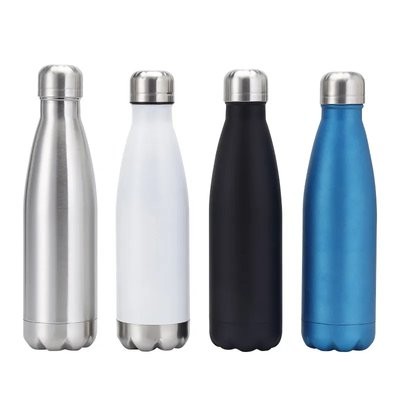
17 OZ STAINLESS STEEL METAL VACUUM THERMAL INSULATED SPORTS WATER BOTTLE
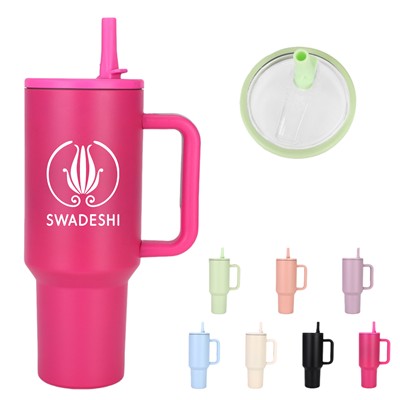
1200 ML STAINLESS STEEL METAL THERMAL INSULATED FLIP STRAW TUMBLER