

Faq
Personalised Monopoly sets
Artwork should be fitted to an artwork template that we will supply. The minimum quantity is 1500 units.
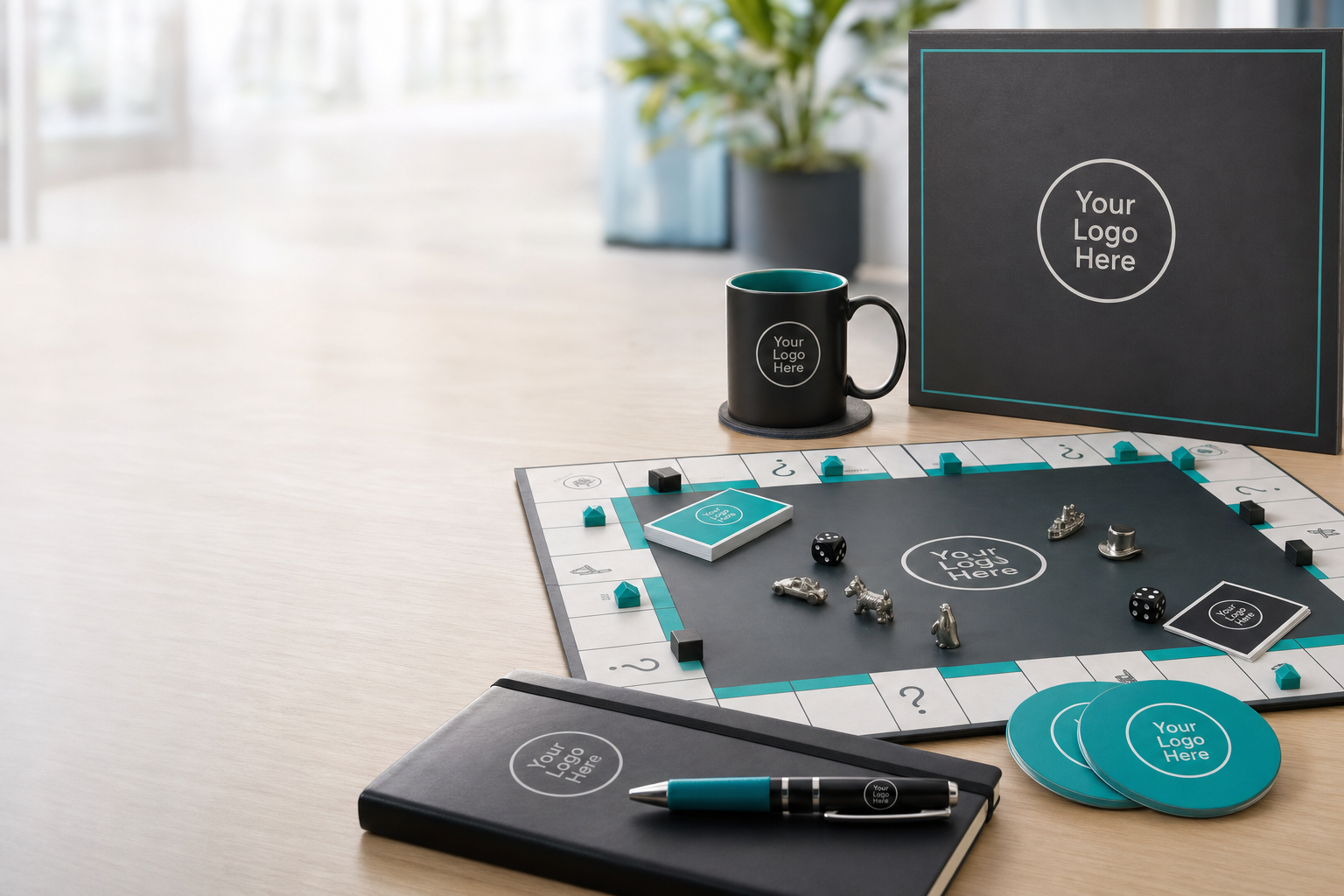
What key details should I know before ordering personalised Monopoly sets?
Orient the buyer to the main commercial and production constraints they must consider before committing.
Before you proceed, be aware that we fit client artwork to an artwork template that we supply and the minimum order is 1500 units. Decide which elements you want customised (board face, property names, cards, box, tokens) and confirm internal approvals for branding and budget early. Production specifics such as materials, finishes and lead times need to be confirmed with us once the artwork and scope are finalised.
Next step: request the template and provide a short design brief so we can advise on feasibility.
How should I prepare artwork to fit the supplied template?
Explain practical artwork preparation steps so designers can create files that match the supplier template and reduce revisions.
We supply an artwork template that shows the exact dimensions, safe areas and bleeds. Prepare artwork using vector logos where possible, convert fonts to outlines or supply font files, and supply high-resolution images. Common, useful file formats to provide include PDF/X, AI or EPS for vector elements and high-resolution PNG or TIFF for raster images.
Next step: request the template, run a preflight check and send files with a short asset list and colour notes for review.
Which parts of the game can be customised and are there any restrictions?
Clarify typical customisable areas and highlight the need to confirm brand and licensing constraints.
Typical customisable areas include the board face (property names and graphics), Chance/Community Chest cards, the outer box, play money and some token options. The exact scope depends on the template and production method we agree.
Important: confirm any trademark or licensing permissions you may need for using third-party intellectual property. Next step: list the specific elements you want to change so we can confirm what’s possible within the supplied template and legal constraints.
What quality checks and sample approvals should I request?
Advise on practical proofing and sign-off stages to avoid issues in full production.
Ask for a digital proof and, where possible, a pre-production physical sample or mock-up to check colour, registration, scale and material feel. Confirm what you will accept before full production (for example: colour match tolerances, print registration, and box construction). Keep a record of approvals so everyone knows when changes are no longer allowed.
Next step: request the types of proofs available and agree a formal sign-off process for the sample.
Is the minimum order flexible and what about packaging or storage?
Address questions on minimum quantities and packaging options, and prompt procurement thinking about storage and distribution.
The minimum order for these personalised Monopoly sets is 1500 units. Packaging and presentation options can vary considerably and should be discussed as part of the specification — choices will affect cost, weight and storage requirements. Consider where the goods will be stored and how you will distribute them (single shipment, multiple drops, or held in inventory).
Next step: confirm expected packaging, delivery destinations and any storage constraints so we can include these in the quote.
What information should I provide when requesting a quote?
Guide the buyer on the exact checklist of details needed to get an accurate estimate.
To prepare a meaningful quote, provide the following where possible: confirmed quantity (minimum 1500), the supplied artwork template with your proposed files, a list of custom elements (board, cards, box, tokens), preferred packaging type and target delivery location. If you have finish preferences or any regulatory/packaging constraints, include those too.
Next step: compile the checklist items and contact our sales team to request a formal quote and proofing schedule.